















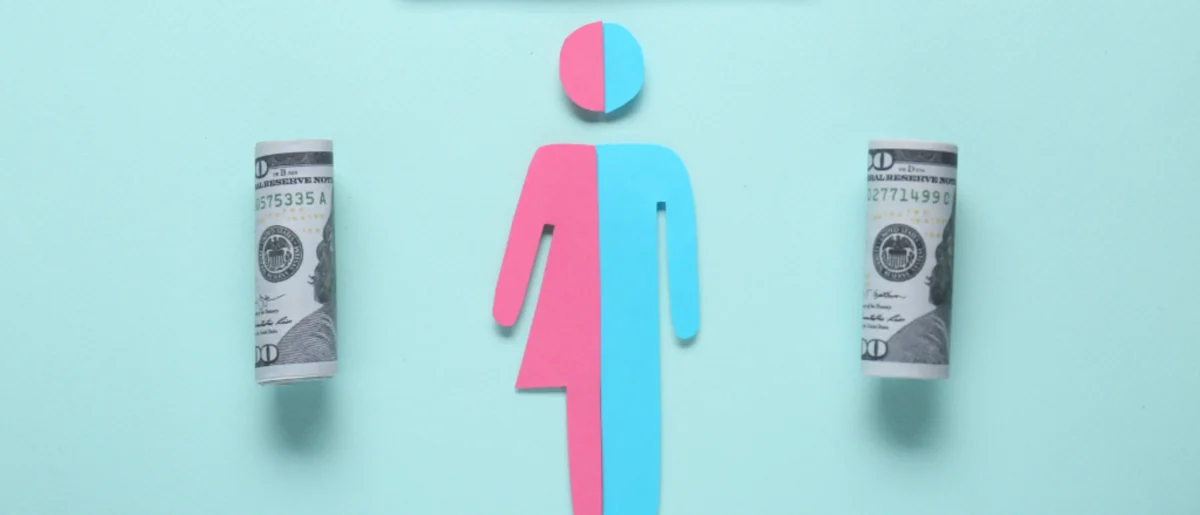
National Equal Pay Day is observed each year to highlight the continuing wage gap between women and men performing the same work. The date symbolizes how far into the current year the average woman must work to earn what the average man earned in the previous year. Despite decades of progress, the gap persists and continues to affect women across industries.
The History and Purpose of the Day
National Equal Pay Day was first established in 1996 by the National Committee on Pay Equity. Its purpose was to bring national attention to wage disparities and encourage action toward fair compensation. Since then, the day has continued to serve as a reminder that equal work should lead to equal pay—and that achieving full equity remains an ongoing effort.
The State of the Pay Gap
Although women today make up a larger portion of the workforce and hold more skilled positions than in previous generations, pay inequality remains. Research shows that even when education and skill levels are comparable, women frequently earn less than men. In many fields requiring specialized or analytical skills, women still lag behind in compensation, and the gap widens in positions where analytical skills are not required.
Women’s wages have grown in recent years, especially as demand for skilled workers has increased. However, despite these gains, the pay gap has not closed. National Equal Pay Day serves as a moment to reflect on these challenges and to recommit to making progress.
How to Observe National Equal Pay Day
There are several ways individuals and organizations can participate:
- Employers can review internal pay structures, hiring practices, and promotion policies to ensure equity across positions.
- Employees and community members can raise awareness by engaging in conversations about fair compensation.
- Supporters often wear red on this day to symbolize how much longer women must work to “catch up” to men’s earnings.
Why the Day Still Matters
The movement for fair pay spans nearly a century. Early advocates pushed for equal wages, voting rights, and improved working conditions. Their efforts laid the groundwork for generations of progress. While the gap has narrowed significantly over the years, true equality has yet to be fully realized. National Equal Pay Day underscores that the issue remains relevant and that ongoing attention and action are essential.
Frequently Asked Questions
Can an employer pay two employees who perform the same job differently?
Yes. An employer may base pay differences on factors such as experience, length of service, or quality of work—however, gender cannot be a determining factor.
Is the gender pay gap narrowing?
The gap has gradually decreased over several decades. Younger workers saw notable gains in the early 2000s, though some of that progress slowed in the following years. While improvement continues, full parity has not yet been reached.