


















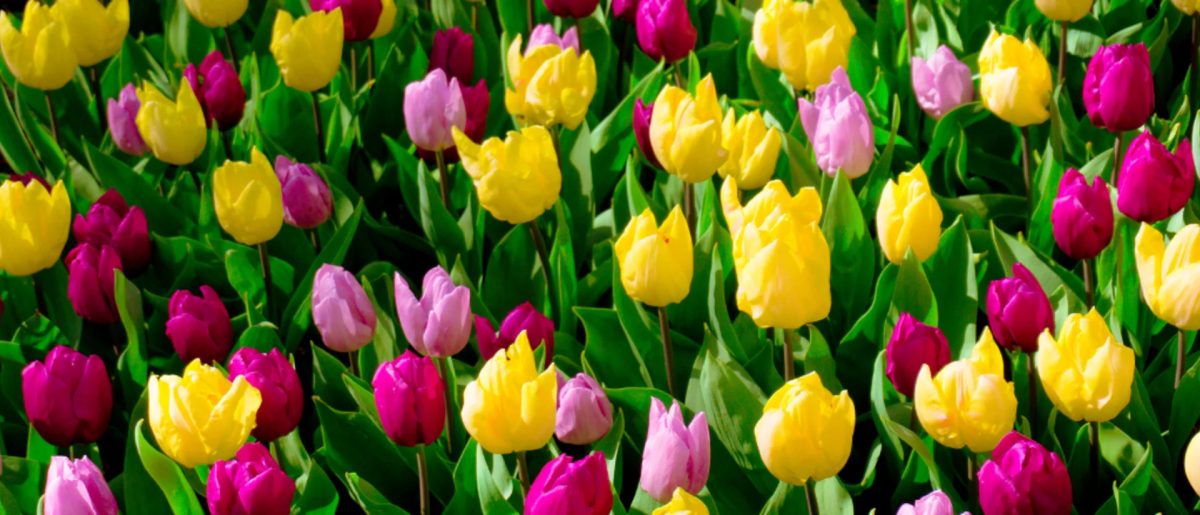
Spring, or Vernal Equinox, officially began at 10:46 a.m. EDT today—the moment when daylight and nighttime are nearly equal, each lasting about 12 hours. This astronomical event signals a shift toward longer, brighter days as the amount of sunlight steadily increases until the first day of summer.
The vernal equinox occurs when the sun crosses the celestial equator, an imaginary line above Earth’s equator, moving from south to north. In the Northern Hemisphere, this marks the start of spring and can fall on March 19, 20, or 21 each year. In the Southern Hemisphere, however, the same event marks the beginning of fall. Meteorologists take a slightly different approach, defining spring as the period from March 1 through May 31.
A Rare Early Spring
In 2020, spring arrived earlier than usual due to the leap year. Leap Day—February 29—is built into the Gregorian calendar to keep the calendar aligned with Earth’s orbit. By adding a day every four years, seasonal events like spring remain connected to the natural cycle. As a result, spring 2020 arrived earlier than any living person had experienced, with the previous earliest spring recorded in 1896.
For additional details on the equinox and seasonal patterns, visit almanac.com.
How to Observe the Beginning of Spring
As nature begins to wake up from winter, there are many ways to welcome the new season:
• Prepare for longer days and brighter mornings
• Tune up the lawnmower—grass growth will pick up quickly
• Spend time outdoors and enjoy the warmer weather
• Plan your garden or begin planting early crops and flowers
• Host a spring-themed gathering with fresh, vibrant foods
• Share your seasonal moments online using #SpringBegins
A Brief History of Spring Observance
Humans have tracked the movement of the sun and used seasonal cycles to build calendars since ancient times. The arrival of spring has long symbolized renewal, growth, and the return of light after winter’s darkness.
Spring FAQ
Q: When it’s spring in the Northern Hemisphere, what season is it in the Southern Hemisphere?
A: It is fall in the Southern Hemisphere.
Q: What does “vernal equinox” mean?
A: “Vernal” comes from the Latin word for spring, and “equinox” means “equal night.” During the vernal equinox, day and night are nearly equal in length. Afterward, daylight hours continue to grow.