














Each winter, communities around the world celebrate Lunar New Year, a holiday filled with tradition, symbolism, and the excitement of a fresh start. Unlike the January 1 New Year on the Western calendar, Lunar New Year is based on the lunar calendar, which follows the phases of the moon. For millions of families across East and Southeast Asia—and for many people around the globe—this holiday is one of the most meaningful moments of the year.
A New Year Based on the Moon
The exact date of Lunar New Year changes each year because it begins on the first new moon of the lunar calendar. In 2026, the celebration welcomes the Year of the Horse, a zodiac sign associated with independence, energy, and creativity.
The lunar calendar is deeply connected to agriculture, changing seasons, and cultural customs that go back thousands of years. That’s why many traditions emphasize renewal, preparation, and welcoming good fortune.
Rich Traditions With Deep Meaning
While customs vary from culture to culture, many Lunar New Year celebrations share common themes—family, gratitude, intention, and hope for the year ahead. Some widely recognized traditions include:
1. Preparing the Home
Before the new year begins, many families clean their homes to symbolically “sweep away” misfortune and start fresh.
2. Red for Good Luck
You’ll often see red decorations—lanterns, banners, clothing—because the color represents luck, protection, and happiness.
3. Special Foods
Meals play a huge role, and dishes are chosen for their symbolic meaning:
- Dumplings for wealth
- Long noodles for longevity
- Sweet rice cakes for progress in the coming year
Each food tells a story and carries a wish for the future.
4. Red Envelopes
In many cultures, elders give red envelopes containing money to younger family members. The gesture is less about the amount of money and more about wishing good luck and prosperity.
5. Performances and Celebrations
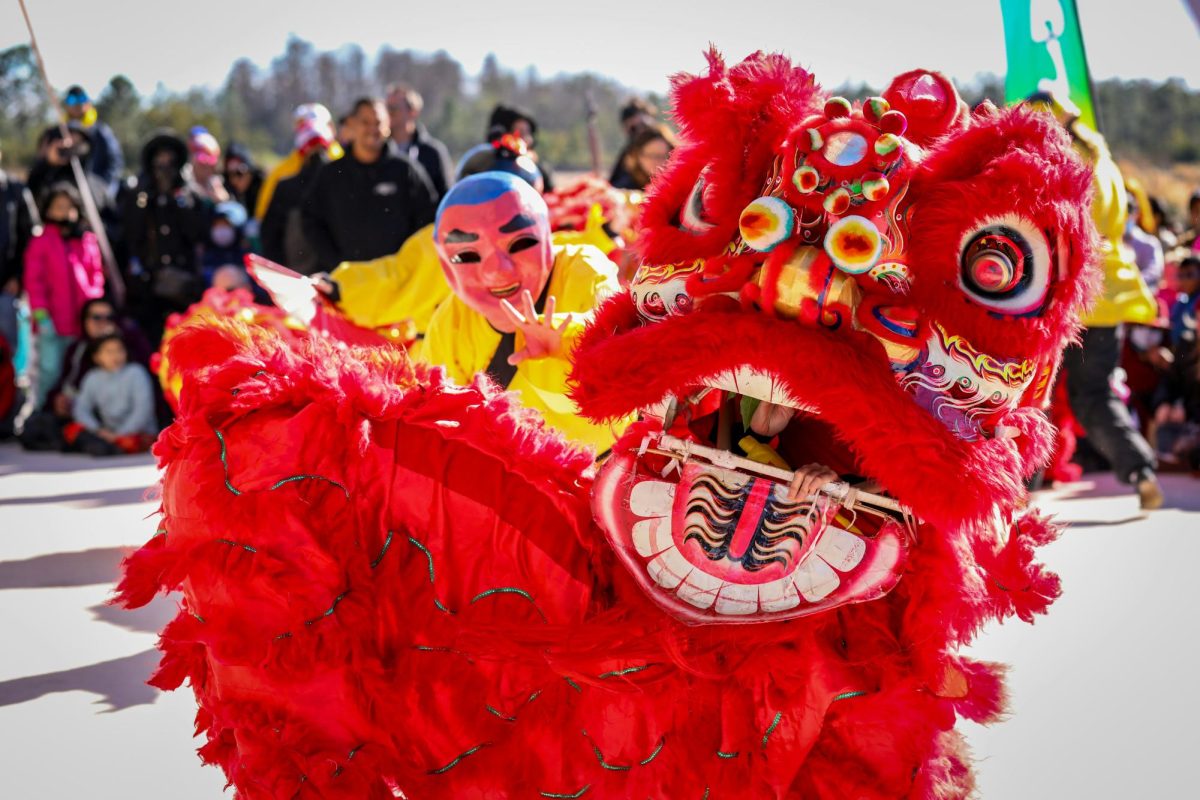
Lion dances, dragon dances, traditional music, and fireworks are common ways to bring communities together and ward off negative energy.
Different Cultures, Different Celebrations
Lunar New Year is celebrated in many places, each with its own unique traditions:
- China – Spring Festival (Chunjie)
Known for reunion dinners, lantern festivals, and fireworks. - Vietnam – Tết
Celebrated with ancestral rituals, peach and apricot blossoms, and traditional foods like bánh chưng. - Korea – Seollal
Families honor ancestors, play folk games, and enjoy dishes like tteokguk (rice cake soup). - Mongolia – Tsagaan Sar
A holiday centered on visiting loved ones, sharing dairy foods, and wishing peace and good fortune.
Highlighting these differences helps show how diverse and meaningful Lunar New Year truly is.
Why Lunar New Year Remains Important Today
Lunar New Year isn’t just a cultural celebration. It’s a reminder of tradition, family history, and the values that shape communities. It encourages reflection, connection, and gratitude—qualities that resonate far beyond the holiday itself.
As the Year of the Horse begins, many people take the opportunity to set new goals, embrace creativity, and move forward with confidence. Whether someone celebrates with a big family reunion or simply learns about the holiday from friends, Lunar New Year offers a meaningful way to recognize the start of something new.