




















Every year, the Monday following the return of Daylight Saving Time brings a lesser-known—but much‑needed—observance: National Napping Day. Created to highlight the importance of rest, this day reminds us that there’s nothing wrong with taking a break, especially when our internal clocks are still adjusting to the lost hour of sleep.
While some people prepare ahead of time for the time change, many of us still feel its effects. Young children, pets, and anyone with a rigid work schedule often struggle most. National Napping Day is a simple reminder that a short rest can help ease that transition.
Why Naps Matter
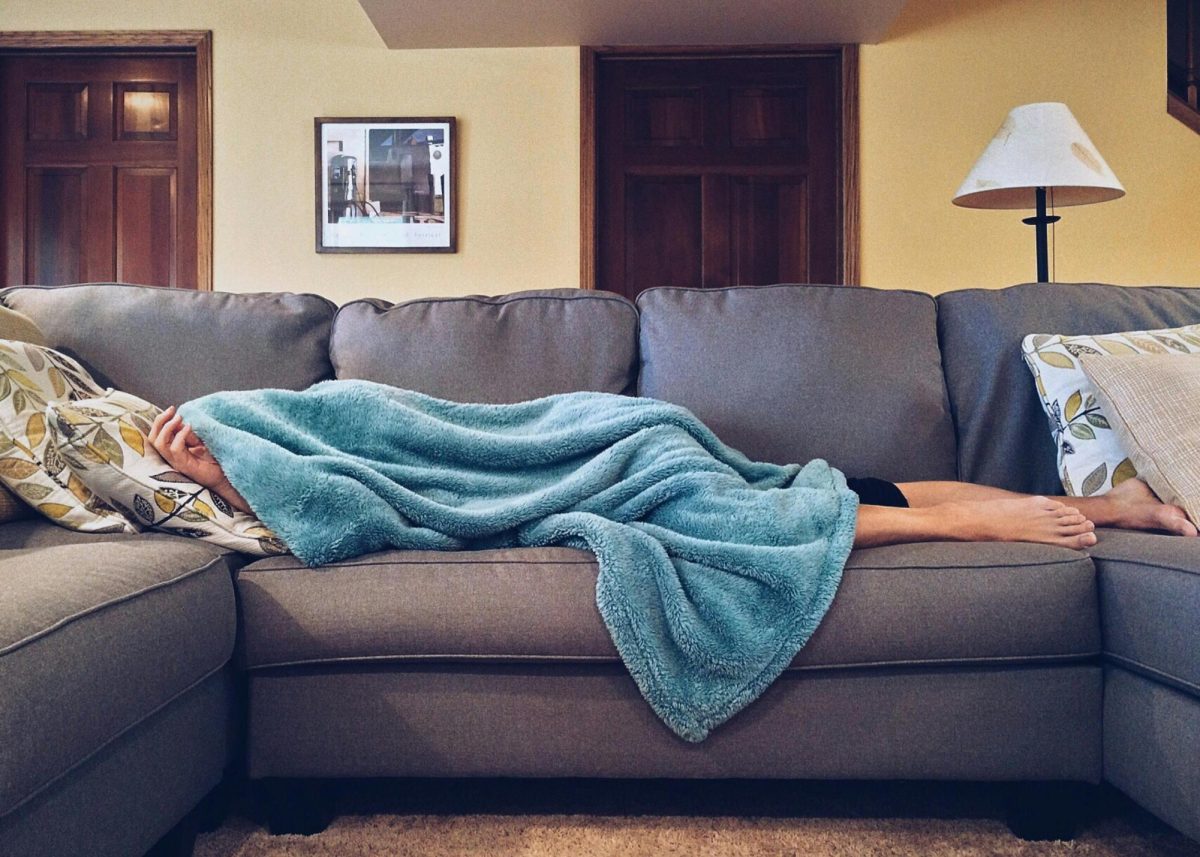
Mid-afternoon naps are common in many cultures and backed by science as an effective way to reset the body and mind. Even a brief 10‑ to 20‑minute nap can improve alertness, boost productivity, and elevate mood. These short “power naps” work best because they refresh you without disrupting nighttime sleep.
Of course, not everyone is wired for daytime naps. But for those who can benefit, National Napping Day is the perfect excuse to slow down and enjoy a brief recharge.
How to Observe National Napping Day
If you want to take part, consider the following:
- Take a short nap early enough that it won’t interfere with your regular sleep routine.
- Create a comfortable, quiet environment to rest.
- Share your favorite type of nap or why you enjoy them.
- Join the conversation online using #NationalNappingDay.
A Brief History of the Day
National Napping Day was created in 1999 by Boston University professor William Anthony, Ph.D., and his wife, Camille Anthony. Their goal was to raise awareness about the health benefits of quality sleep, choosing the Monday after the time change because, as Dr. Anthony noted, Americans are “more nap‑ready than usual” after losing an hour.
Napping FAQ
Are naps beneficial?
Yes. Research shows that short naps can improve alertness, reduce stress, and enhance mood.
Does everyone nap?
No. Some people simply don’t nap or find it difficult to fall asleep during the day.
Can naps be too long?
Yes. Long or late-day naps can disrupt nighttime sleep. Experts recommend 10–20 minutes for the best results.